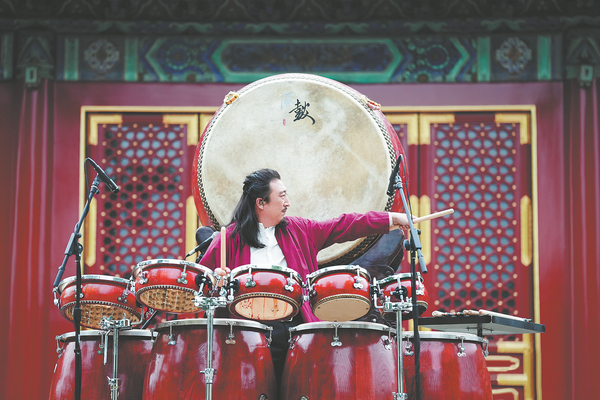
2024 Beijing Ancient Architecture Music Festival
Introduction
The 2024 Beijing Ancient Architecture Music Festival is a cultural event that uniquely marries the art forms of music and architecture, transforming them into an extraordinary experience for both performers and audiences. This festival, conceptualized around the theme of "reviving cultural relics through music," is a celebration that not only honors China's traditional music culture but also breathes new life into ancient architectural sites.
Origins and Concept
The festival was launched with the idea of creating a dialogue between music and architecture. It highlights the profound connection that exists between the two art forms, where live performances within the walls of historical buildings offer a magical synergy between sound and structure. This interplay is further emphasized by festival co-initiator Yao Ying, who describes these spaces as more than mere backdrops; they become integral components of the performance, enriching it with layers of depth, emotion, and resonance.
Venue and Schedule
The festival is held at various iconic historical buildings throughout Beijing, including the Drum and Bell Towers, the White Pagoda at the Miaoying Temple, Dajue Temple, and Zhenjue Temple, also known as the Beijing Stone Carving Art Museum.
Performances and Participants
The festival showcases over 30 groups of musicians and artists, offering audiences a diverse selection of performances. Notable participants include pianists Bao Huiqiao and Sheng Yuan, Kunqu Opera actress Shen Yili, and the renowned Amber String Quartet. These performers bring a blend of modern and traditional music to the ancient settings, creating a unique auditory experience that resonates with history.
Architectural and Acoustic Synergy
Architecture and music are deeply interconnected, as described by architect and artist Zhu Qipeng. Historical buildings, with their unique acoustics, were originally designed to enhance sound. Vaulted ceilings, intricate stonework, and vast open chambers were constructed to carry and elevate music, allowing it to linger and envelop listeners. When contemporary musicians perform in these spaces, they tap into this original purpose, awakening the building's acoustic potential and creating a harmonious blend of history and modernity.
Cultural Significance
The festival also serves as a form of cultural preservation. The historical landmarks used as venues were traditionally sites for royal worship ceremonies, where music played an integral role in maintaining harmony between heaven, earth, and humankind. By performing in these spaces, musicians connect with the ritual music of the past, honoring the ancestors and the divine, while inviting audiences to appreciate the cultural significance of these ancient architectural landmarks.








